Not sure what a Pilates Reformer actually does? This guide breaks down how the machine works, who it’s good for, and what to expect so you feel confident before your first class.
A Pilates Reformer Machine is equipment that uses springs, straps, and a moving carriage to create adjustable resistance for controlled exercise. It builds strength, flexibility, posture, and balance, and works for beginners as well as experienced practitioners because resistance can be tailored to any fitness level.
What You’ll Learn in This Guide
- What a Pilates Reformer is and its main parts
- How the machine works
- How Reformer Pilates compares to mat Pilates
- Key benefits
- Who Reformer Pilates is good for
- Why instructor guidance matters
- Common myths, debunked
- FAQs answered simply
What Is a Pilates Reformer Machine?
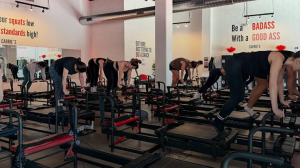
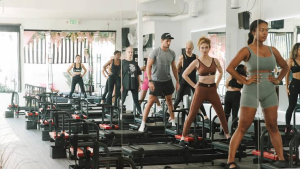
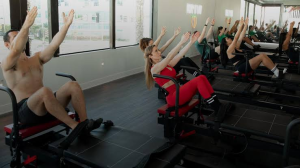
A Pilates Reformer is equipment built to provide resistance and support during exercise. It uses springs, straps, and a moving carriage to create controlled challenges that build strength, flexibility, balance, and coordination.
It’s useful for beginners learning the basics and experienced practitioners looking to sharpen control and performance.
Main parts of a Reformer
- Moving carriage — glides along the frame
- Springs — provide adjustable resistance
- Footbar — supports lower body exercises
- Straps — for arm and leg movements
- Headrest and shoulder supports — for comfort and positioning
The carriage creates a bit of instability, which trains your stabilizing muscles. Springs let instructors adjust resistance to match your strength level.
How Does a Pilates Reformer Work?
Instead of relying only on your bodyweight, the Reformer adds resistance to every movement—engaging muscles more deeply while promoting control.
A Reformer works by:
- Using resistance to strengthen muscles
- Supporting controlled movement patterns
- Encouraging proper alignment
- Improving coordination and stability
Because resistance is adjustable, beginners can start light and advanced users can increase the challenge as they improve.
Reformer Pilates vs. Mat Pilates
Both follow the same core principles: concentration, breathing, control, and alignment. The difference is in support and equipment.
Feature | Mat Pilates | Reformer Pilates |
|---|---|---|
Resistance | Bodyweight only | Adjustable springs |
Support | Minimal | Machine-guided |
Exercise variety | Moderate | High |
Best for | Basics, home practice | Faster progression, all levels |
For beginners, the Reformer often makes movements easier to understand because it gives real-time feedback and support.
Benefits of Using a Pilates Reformer Machine
Builds strength through controlled resistance
Reformer exercises engage the core—plus arms, legs, hips, and back—for a true full-body workout.
Strength benefits include:
- Improved core strengthening
- Full-body muscle engagement
- Better stability and control
- Increased muscle endurance
Improves flexibility and mobility
The Reformer combines stretching with strength work, so you build flexibility while staying supported and controlled.
Mobility benefits include:
- Safe stretching techniques
- Improved range of motion
- Better joint mobility
- Increased body awareness
Supports better posture and alignment
Sitting for long periods can hurt your posture. Reformer exercises build spinal awareness and teach balanced muscle engagement.
Posture benefits include:
- Learning proper movement patterns
- Reducing poor posture habits
- Improved spinal awareness
- More balanced alignment
Provides a low-impact workout option
Reformer Pilates strengthens muscles without relying on high-impact movement.
A low-impact Reformer workout provides:
- Joint-friendly exercise
- Adjustable intensity
- Support for different abilities
- Controlled progression
Who Can Benefit From Reformer Pilates?
The Reformer adapts to different goals and experience levels. Here’s who it works especially well for.
Beginners starting their Pilates journey
The machine guides your movement while instructors modify exercises to match your ability.
Beginners benefit from:
- Learning foundational movements
- Understanding equipment use
- Building confidence
- Improving body awareness
Active individuals seeking strength and mobility
Athletes often use Beginner Reformer Pilates to complement other training, improving stabilizing muscles that get overlooked elsewhere.
Benefits include:
- Improved athletic movement
- Better flexibility
- Enhanced balance
- Increased mobility
People seeking posture and movement improvement
Great for anyone dealing with the effects of sitting, repetitive movement, or an inactive lifestyle.
Reformer Pilates can help:
- Office workers who sit long hours
- Anyone working on posture
- People improving mobility and coordination
- Those wanting better body awareness
Older adults looking for safe exercise
Adjustable resistance makes it easy to tailor movements to individual strength and comfort levels.
Older adults may benefit from:
- Gentle strength development
- Improved stability and balance
- Increased flexibility
- Greater movement confidence
Why Instructor Guidance Matters
The Reformer is adaptable, but learning to use it correctly is key to safe, effective results.
Learning proper form
A qualified instructor teaches correct positioning, muscle engagement, and safe movement patterns.
Proper technique helps with:
- Correct body alignment
- Preventing unnecessary strain
- Improving exercise effectiveness
- Building confidence with equipment
Choosing the right resistance level
Too much resistance can hurt your form. Too little reduces the exercise’s effectiveness. Instructors help find the right balance for your goals.
Getting personalized modifications
Every body is different. Instructors adjust exercises based on your fitness level, mobility, and specific goals keeping every session safe and productive.
Common Myths About Pilates Reformers, Debunked
Myth: “The Reformer is only for advanced users”
Reality: It’s built with adjustable resistance specifically to support beginners. Instructors can modify any exercise to match your current ability.
Myth: “Reformer Pilates is only about stretching”
Reality: It’s a real strength workout. The resistance system challenges muscles throughout the body, building endurance and stability alongside flexibility.
Myth: “You need to be flexible before starting”
Reality: Flexibility develops through consistent practice, it’s not a prerequisite. Exercises adjust to your current movement level.
Conclusion
The Pilates Reformer Machine is a versatile tool for building strength, flexibility, posture, balance, and body awareness through controlled, resistance-based movement. It may look unfamiliar at first, but professional instruction makes it accessible for any experience level. Understanding how it works and choosing the right guidance sets you up for a safe, rewarding Pilates practice.
Ready to Get Started?
Contact us today to learn more about Reformer Pilates Classes at Carrie’s Pilates Plus and discover how personalized instruction can help you improve strength, flexibility, posture, and overall movement confidence.
Frequently Asked Questions
What is a Pilates Reformer Machine?
It’s specialized equipment that uses springs, straps, and a moving carriage to provide resistance and support during exercise. It improves strength, flexibility, posture, balance, and movement control—and can be adjusted for any fitness level.
How does a Pilates Reformer work?
It uses adjustable spring resistance combined with controlled movement to challenge your muscles while supporting alignment and stability.
Is Reformer Pilates suitable for beginners?
Yes, especially with a qualified instructor. Exercises can be adjusted based on your strength, flexibility, and experience.
What are the main benefits of using a Pilates Reformer?
Improved core strength, flexibility, posture, balance, coordination, and overall body awareness.
Do I need to be flexible before joining Reformer Pilates classes?
No. Flexibility improves through consistent practice—it’s not something you need going in.
Should I use a Pilates Reformer without an instructor?
It’s best to learn with professional guidance, especially as a beginner. An instructor teaches proper alignment, equipment settings, and safe technique from day one.