Pilates joint health aging is a key topic for anyone who wants to stay active and pain free later in life. Many people notice stiff joints, less movement, and more aches as they get older. However, the right kind of exercise can help you feel better and move with ease.
In this guide, you will learn how Pilates helps your joints, why it is safe, and how to start. In addition, you will see how it supports mobility, strength, and long term health.
What Happens to Your Joints as You Age
As you age, your joints change in simple ways. Cartilage becomes thinner, and fluid in the joints may reduce. As a result, movement can feel stiff or slow.
Because of this, many people notice:
- Less flexibility
- Joint pain during daily tasks
- Higher risk of injury
- Slower recovery
Therefore, staying active is very important for aging well. Movement keeps joints healthy and helps you feel more in control of your body.
How Pilates Supports Joint Health
Pilates focuses on slow and controlled movement. As a result, it helps your body move better without stress. In addition, it builds strength in a safe way.
Improves Mobility and Flexibility
Pilates helps joints move through a full range. Because of this, stiffness can reduce over time.
Better mobility means:
- Easier bending and reaching
- Smoother daily movement
- Better posture
Also, Pilates combines stretch and strength in one session. Therefore, it supports joint health in a balanced way.
Strengthens Supporting Muscles
Strong muscles protect your joints. Pilates targets deep muscles that support your body.
As a result, you may notice:
- Less pressure on joints
- Better balance
- Improved control
In addition, strong muscles help you move with confidence.
Enhances Injury Prevention
Pilates is also great for injury prevention. It teaches proper form and body awareness.
Because of this, you are less likely to:
- Fall
- Strain a muscle
- Overuse a joint
Therefore, Pilates is a safe choice for long term health.
Why Pilates Is a Low-Impact Exercise for Aging Well
Pilates is a low-impact exercise, so it is gentle on the body. Unlike high impact workouts, it does not stress your joints.
As a result, it is ideal for older adults and rehab clients. In addition, it allows you to stay active without pain.
Key benefits include:
- Safe for knees and hips
- Easy to adjust for any level
- Supports daily movement
Therefore, Pilates is a smart choice for aging well.
Reformer Pilates vs Mat Pilates for Joint Health
When exploring Pilates joint health aging, you will find different styles. The most common are mat Pilates and Pilates Reformer pilates.
Mat Pilates uses your body weight. Therefore, it is simple and easy to start at home.
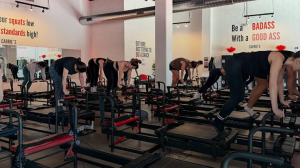
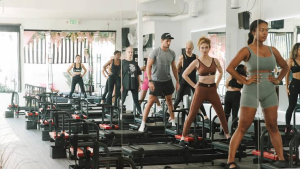
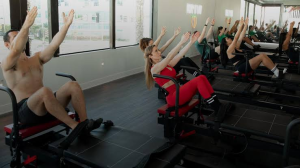
On the other hand, reformer Pilates uses a machine with springs. As a result, it offers:
- More support for joints
- Controlled resistance
- Better movement guidance
Therefore, reformer Pilates can be helpful if you need extra support or are in recovery.
Who Can Benefit from Pilates Joint Health Aging
Pilates is suitable for many people. In fact, it works well for those with different needs.
You may benefit if you are:
- An older adult with stiff joints
- Recovering from injury
- Looking for safe exercise
- Wanting better movement and strength
Because Pilates is flexible, it can match your level and goals.
How to Get Started Safely with Pilates
Starting Pilates is simple, but it is important to begin the right way.
Choose the Right Class or Instructor
First, look for beginner friendly classes. In addition, choose an instructor who understands joint health.
Start Slow and Listen to Your Body
Next, begin with basic moves. Do not rush. Instead, focus on how your body feels.
If something hurts, stop and adjust. Therefore, you stay safe and avoid strain.
Look for Pilates Certified Training
Also, choose instructors with pilates certified training. This ensures proper guidance and safe movement.
As a result, you will gain better results and avoid injury.
Simple Pilates Exercises for Joint Health
You can start with a few easy exercises. These help improve movement and reduce stiffness.
- Pelvic tilts
- Improve spine movement
- Strengthen the core
- Leg slides
- Support hip joints
- Improve control
- Arm circles
- Increase shoulder movement
- Reduce tightness
These moves are simple. However, they are very effective when done often.
Tips to Stay Consistent and See Results
Consistency is key for Pilates joint health aging. Small steps lead to big changes over time.
Follow these tips:
- Practice two to three times each week
- Focus on form, not speed
- Add light walking to your routine
- Stay hydrated
In addition, keep your routine simple. Therefore, it is easier to stay consistent.
Conclusion
Pilates joint health aging is a simple and effective way to stay active as you grow older. It improves mobility, builds strength, and supports safe movement. In addition, it helps reduce pain and lowers the risk of injury.
By choosing a low-impact exercise like Pilates, you can move with ease and confidence. Therefore, start small, stay consistent, and focus on progress. Over time, you will feel stronger, more flexible, and ready to enjoy daily life. If you are ready to begin your journey, contact us today to learn how we can support your goals.
FAQs
1. Is Pilates safe for older adults with joint pain?
Yes, Pilates is a safe low-impact exercise for older adults. It uses slow and controlled movements, which help reduce stress on joints. However, it is best to start with a trained instructor and modify exercises based on your needs
2. How often should I do Pilates for joint health?
For best results, practice Pilates 2 to 3 times per week. Consistency is key. Over time, regular sessions will improve mobility, strength, and overall joint function.
3. Can Pilates help prevent joint injuries?
Yes, Pilates supports injury prevention by strengthening muscles around the joints and improving balance. In addition, it teaches proper movement patterns, which reduce the risk of strain and overuse injuries.
4. What is the difference between mat Pilates and reformer Pilates?
Mat Pilates uses your body weight, while pilates reformer pilates uses a machine with adjustable resistance. Reformer Pilates offers more support and control, which can be helpful for people with joint concerns or those in rehab.
5. Do I need a certified instructor to start Pilates?
It is highly recommended to work with someone who has pilates certified training. A certified instructor ensures correct form, safe progression, and exercises that suit your joint health needs.