Pilates is more than a core workout. It can help you feel calmer, stand taller, and focus better especially if you sit a lot and deal with daily stress.
Why Stress and Poor Posture Often Show Up Together
Modern life makes it easy to feel tight and tired. Long hours at a desk can lead to:
- Rounded shoulders
- Forward head posture
- Tight hips
- A stiff lower back
- Mental fatigue and brain fog
Pilates can help because it trains the body to move with control and better alignment.
What Is Pilates (and Why It Works)?
Pilates is a low-impact exercise method focused on:
- Core strength
- Breathing
- Alignment
- Controlled movement
- Balanced muscle work
Instead of rushing, you move with purpose. That often makes Pilates feel both challenging and calming.
A typical Pilates session includes
- Core-focused strength work
- Gentle mobility and flexibility moves
- Posture and alignment cues
- Steady breathing throughout
How Pilates Helps With Stress
Pilates is often called “moving meditation” for a reason. It asks you to slow down and pay attention.
1) It shifts your focus away from stress
In class, you think about:
- where your ribs are
- how your spine feels
- how you’re breathing
- how to control the movement
That kind of focus can quiet mental noise.
2) Breathing helps your body settle
Pilates uses deep, controlled breathing, which can help you feel more grounded.
Pilates breathing may help you:
- feel less tense
- focus better
- reduce anxious feelings
- move with more control
If you feel dizzy during breathwork, pause and return to normal breathing.
3) It releases common “stress spots”
Stress often sits in the:
- neck and shoulders
- jaw
- hips
- lower back
Pilates strengthens and lengthens these areas over time, which can reduce that “held” feeling.
How Pilates Improves Posture
Posture isn’t just “standing up straight.” It’s about having the strength to hold good alignment without strain.
Pilates builds the support system for better alignment
Pilates targets muscles that help hold the spine in a healthier position, including:
- deep abdominals
- lower back support muscles
- glutes and hip stabilizers
- pelvic floor (gently, with proper coaching)
Posture issues Pilates often addresses
Pilates can help improve common patterns like:
- forward head posture
- rounded shoulders
- weak or inactive core
- tight hip flexors
- lower back discomfort from poor alignment
If you have pain (not just tightness), get guidance from a qualified instructor and consider checking with a healthcare professional.
How Pilates Can Support Mood and Mental Wellbeing
Pilates isn’t therapy, but it can support mental health in practical ways.
Movement can help your mood
Exercise is linked with improved mood and energy for many people. Pilates adds:
- structure
- breathing
- a calmer pace
- body awareness
Better body awareness can boost confidence
As you get stronger and move with more control, many people notice:
- improved confidence
- more ease in daily movement
- better posture (which can change how you feel)
Pilates for Busy Professionals (Realistic Schedule)
You don’t need long workouts to benefit.
Simple weekly plan
- 2–3 sessions per week is a great start
- Even 20–30 minutes can help if you stay consistent
Benefits busy people often notice
- less neck and back tension
- better posture at the desk
- improved focus
- an easier time “switching off” after work
Reformer Pilates: Why Some People Progress Faster
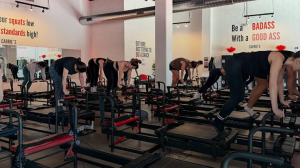
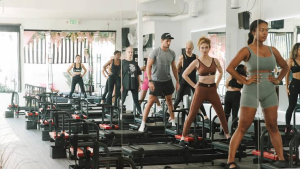
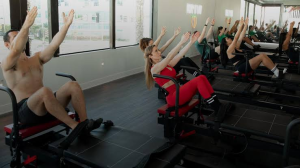
A Pilates Reformer uses springs, straps, and a moving carriage. It adds both support and challenge.
Reformer benefits (beginner-friendly)
- Guided movement: helps you find better alignment
- Adjustable resistance: you can start lighter and build up
- More variety: many movement options without high impact
If you’re new, the Reformer can feel more stable than mat work because it gives you feedback and support.
Pilates as Cross-Training (If You Run, Lift, or Cycle)
Pilates pairs well with other training styles.
Pilates can support other workouts by improving:
- core stability
- mobility and flexibility
- balanced strength (less “overuse” strain)
- recovery and movement quality
Tips to Start Pilates Safely
Use these simple steps to feel more confident.
Beginner checklist
- Start with beginner classes
- Focus on form, not intensity
- Ask for modifications when needed
- Progress slowly
- Be consistent (2–3x/week beats “all in” once)
Conclusion
Pilates can support both body and mind. It helps reduce stress through breathing and focused movement, and it improves posture by strengthening the muscles that support your spine. With consistent practice, many people feel calmer, stronger, and more balanced.
FAQs: Pilates, Stress, Posture & Mental Health
What are the main mental health benefits of Pilates?
Pilates may help you feel calmer and more focused because it combines controlled breathing, mindful movement, and full-body coordination.
How does Pilates improve posture?
It strengthens the core and stabilizer muscles that support alignment. It can also loosen tight areas (like hips and chest) that pull posture out of place.
Can Pilates reduce stress and anxiety?
Pilates can be a helpful stress-relief workout for many people. The slower pace and breathing can calm the body and reduce muscle tension.
What does a Pilates Reformer add?
A Reformer adds spring resistance and support. It can guide proper alignment and give you more exercise variety.
How can busy professionals fit Pilates in?
Aim for 2–3 short sessions per week. Even 20–30 minutes can help when done consistently.