High-intensity Pilates, like Carrie’s Signature Method, is gaining popularity for its incredible body-sculpting benefits. But one common question remains: How often should you do high-intensity Pilates?
The answer isn’t one-size-fits-all. It depends on your fitness level, goals, recovery time, and how your body responds to intense workouts. In this guide, we’ll break down ideal frequency, recovery tips, and how to structure your Pilates schedule to avoid burnout and maximize results.
Understanding High-Intensity Pilates
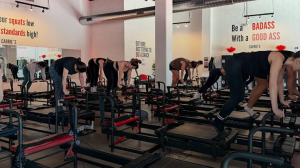
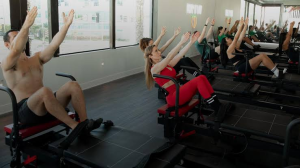
Unlike traditional mat Pilates, Carrie’s Method blends core-focused Pilates with high-intensity cardio and resistance. Classes on the Transformer Reformer challenge every muscle group with controlled yet rapid movements designed to bring your body to muscular fatigue.
It’s this unique combination of strength, cardio, and flexibility that delivers lean muscle, improved posture, and serious calorie burn in just 50 minutes.
But because of its intensity, you must plan your weekly workouts wisely to allow for adequate recovery.
Recommended Frequency by Fitness Level
Beginners (0-2 Months)
- Suggested: 2 classes per week
- Why: Your body needs time to adapt to new movement patterns, especially if you’re new to Pilates or strength training.
- Tip: Focus on form, core engagement, and slow transitions. Recovery is just as important as effort at this stage.
Intermediate (2-6 Months)
- Suggested: 3-4 classes per week
- Why: Your muscles can handle more load and your cardiovascular endurance is improving.
- Tip: Mix reformer sessions with active recovery (walking, stretching, foam rolling).
Advanced (6+ Months)
- Suggested: 4-5 classes per week, alternating intensity
- Why: You can safely push the limits and increase session frequency for enhanced results.
- Tip: Integrate a mix of strength-focused and cardio-heavy classes to avoid overuse injuries.
The Role of Recovery in Pilates Training
High-intensity Pilates places deliberate stress on muscles, which is essential for growth. But without recovery, results stall and the risk of injury rises.
Signs You Need More Rest:
- Persistent soreness or joint pain
- Trouble sleeping or constant fatigue
- Decreased performance or motivation
Smart Recovery Strategies:
- Hydration and protein intake after workouts
- Stretching or mobility work between sessions
- Rest days built into your weekly routine
Even experienced clients benefit from at least 1 full rest day per week to allow muscle regeneration and nervous system reset.
Structuring Your Weekly Pilates Schedule
Here’s a sample breakdown for different goals:
Goal: Weight Loss & Cardio Endurance
- Monday: Full-body reformer (cardio-focused)
- Tuesday: Active recovery (walk or yoga)
- Wednesday: Strength-focused Pilates
- Thursday: Rest
- Friday: Combo class
- Saturday: Light recovery session
- Sunday: Rest
Goal: Lean Muscle & Tone
- Monday: Upper body + core focus
- Wednesday: Lower body + cardio
- Friday: Total body with tempo control
- Saturday: Stretch & mobility class
The key is balance — combining intensity with intention.
How Often Is Too Often?
Overtraining can happen if you:
- Push through classes while sore or fatigued
- Skip proper nutrition and hydration
- Don’t allow time for sleep or recovery
If you find yourself dreading workouts, plateauing, or nursing small injuries, it’s time to scale back. More isn’t always better. Consistency over time > intensity every day.
Expert Insights from Carrie and Her Team
“At Carrie’s Pilates Plus, we encourage clients to listen to their bodies. Start small, then build. Recovery is a strength-building strategy, not a weakness.” — Carrie Minter, Founder
Our instructors work with clients to customize their schedules based on lifestyle, goals, and body type. Whether in-studio or online, the focus is on sustainable fitness that fits real life.
How to Know You’re Progressing
It’s not just about frequency — it’s about progress. Look for:
- Stronger core stability and posture
- Quicker recovery between sessions
- Ability to perform advanced movements with control
Celebrate non-scale victories like improved mood, better sleep, and consistent energy.
Tips to Maximize Results with Fewer Sessions
Pressed for time? Even 2-3 classes per week can deliver major results if you:
- Stay consistent
- Nourish your body with whole foods
- Stay active on non-Pilates days (steps, mobility)
Remember, Carrie’s Method is designed to be efficient. Each session works your body from all angles in a condensed timeframe.
Conclusion: Find Your Perfect Frequency
There’s no magic number. The best high-intensity Pilates schedule is the one that aligns with your goals, energy levels, and lifestyle. At Carrie’s Pilates Plus, our method gives you all the tools—intensity, structure, recovery guidance, and expert support—to build the routine that works best for you.
Not sure where to start? Book a class or speak with an instructor to design a plan that fits your fitness journey.